
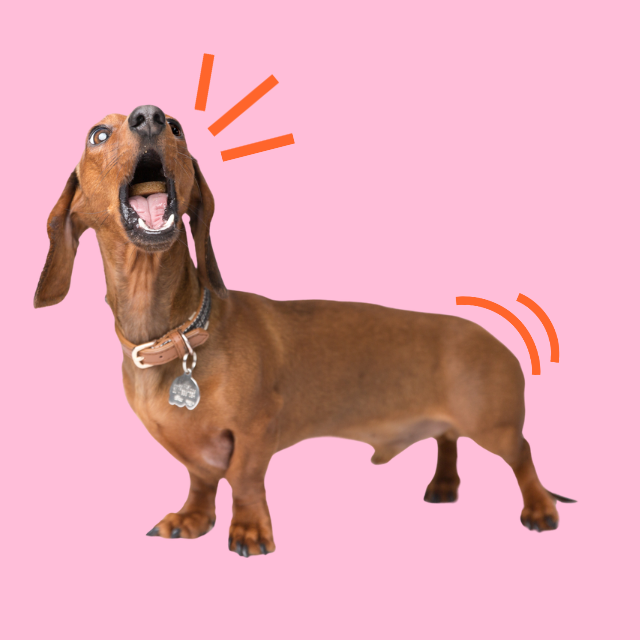
Ask any sausage dog owner to describe their furry best mate and you are almost certain to hear stories about that iconic long body, enthusiastic attitude, and stubborn determination. As trusted UK dog lovers here at GoWalkies, we know just how important daily walks are for Dachshunds. But how far can sausage dogs walk safely without putting their unique little bodies at risk? The answer matters for your pet’s health and happiness. In this definitive guide, we will share our expert, personal, and joyful perspective, so you can confidently plan fun and safe outings for your Dachshund. Whether you are navigating puppy zoomies or the seasoned shuffle of a senior, let’s make every stroll the highlight of your dog’s day.
Understanding the Sausage Dog’s Special Needs
Dachshunds have so much personality packed into those compact frames! Their charming waddle and playful nature make them one of Britain’s favorite breeds. But their famous shape means extra care is needed when it comes to exercise. Unlike many dogs, Dachshunds are prone to spinal issues like Intervertebral Disc Disease (IVDD), and their elongated backs are susceptible to injury from overexertion or unsafe activities. That is why knowing how far your sausage dog can walk safely is not just about stamina. It is about protecting their health for years to come.
A sausage dog’s legs may be short but their energy is mighty. The key is tailoring each walk to their age, size, and temperament while keeping their spinal health top of mind. We want every walk to be joyful, not risky!
How Far Can Sausage Dogs Walk? Safe Distances by Age
Puppy Power: How Much Exercise for Young Sausage Dogs?
Sausage dog puppies are endlessly curious but their growing bodies are delicate. To safeguard their developing bones and spine, the golden rule is five minutes of formal exercise (like walks) per month of age, per day. For example:
- 3 months old: 15 minutes per day
- 4 months old: 20 minutes per day
- 6 months old: 30 minutes per day
The rest of their activity should come from supervised play at home. Don’t be tempted to overdo it just because your pup seems eager. Their little legs tire easily and protecting those backs is crucial. For helpful tips on puppy walks and perfecting leash manners, check out our leash training guide for puppies.
Stride of the Adult Sausage Dog
As Dachshunds reach adulthood, their exercise needs shift. Standard Dachshunds usually thrive with 45 to 60 minutes of moderate activity daily, split across two walks. For Miniature Dachshunds, aim for around 30 minutes per day. Not every walk needs to be a marathon. Mix up walks and playful sessions (like fetch on grass or gentle tug-of-war). This variety provides mental stimulation and keeps tails wagging.
It is important not to let them run wild off-lead near roads or busy areas. Use a secure harness and lead, and avoid letting them jump off sofas or climb stairs during or after walks. These little steps make a big difference for their spinal health. For additional advice on safe and enjoyable walks, see our pack’s favourite gear recommendations for dog walking.
Walking the Senior Sausage
Older Dachshunds remain playful at heart, but joint and spine health become even more important as they age. Tailor walks to their comfort level. Some seniors will still relish a gentle 20 to 30 minute stroll, while others prefer several short outings per day. Watch for signs of fatigue, stiffness, or reluctance, and rest as needed. Listen to your dog – every senior is different!
Why the Right Amount of Exercise Matters
Regular, moderate exercise keeps your sausage dog’s muscles strong, maintains healthy weight, and reduces the risk of diabetes and joint problems. But for Dachshunds, keeping active also plays a role in preventing IVDD. Studies found that older, active Dachshunds suffer fewer spinal complications than those who are sedentary. That is why making exercise a fun, daily part of your dog’s life is a wise long-term investment.
Get to know your dog’s limits. If your sausage dog starts lagging behind, panting excessively, or flops down mid-walk, it is time to pause. Overexertion puts them at risk for injury or exhaustion. If you are ever unsure about your dog’s stamina or you are noticing limping after walks, our post on dog limping after a walk will help you troubleshoot next steps.
For even more information about safe Dachshund exercise routines, see these trusted Dachshund exercise guidelines packed with breed-specific recommendations.
Tips for Fun and Safe Walks with Your Sausage Dog
- Pace matters: Stroll at your Dachshund’s tempo, not yours! A brisk pace for you may be a sprint for those short legs.
- Choose level terrain: Stick to flat surfaces; avoid steep hills, muddy embankments, or flights of stairs, especially if your Dachshund is prone to back trouble.
- Mix in mental enrichment: Sniff walks and gentle nosework games help satisfy their senses as much as their muscles do. Sausage dogs love to sniff!
- Mind the weather: During hot spells, limit time outdoors, bring water, and walk in shaded, cooler parts of the day. In winter, invest in a well-fitted dog coat and avoid icy patches.
- Stay visible: If walking at night, use reflective leads, collars, or dog lights so your sausage dog is always easy to spot. Learn our best practices in night dog-walking safety essentials.
- Keep it positive: Always reward good behavior on walks. Treats and praise help reinforce recall and reduce stubborn moments!
Recognising When Your Sausage Dog Needs a Break
Every Dachshund is unique, so watch for these common signs that your sausage dog may have walked too far:
- Lagging behind or lying down mid-walk
- Excessive panting or drooling
- Limping or reluctance to move
- Slower pace or general disinterest in continuing
- Whining or sitting down
If you see any of these, stop and give your dog a rest. Hydrate, and if improvement is not quick, arrange to head home calmly. Overdoing exercise can trigger tiredness, sprains, or spinal injury, so always err on the side of caution.
Want more in-depth advice? Explore our helpful insights for spotting signs of dog fatigue due to over-walking.
If your Dachshund frequently resists walks or is showing new mobility issues, consult your vet promptly. Sudden changes are never a good sign in this breed.
How to Make Every Walk Joyful and Safe
For sausage dogs, walks are so much more than exercise. They are the highlight of the day, a chance to sniff the neighborhood news and share some special time with you. Here are our favorite ways to make every outing a celebration:
- Plan meet-ups: Check out local Dachshund gatherings such as the Southwold Sausage Walk or join breed walks for safe, sociable adventures alongside other sausage dog fans.
- Try new routes: Exploring different parks or green spaces keeps walks interesting for both of you – but remember to choose flat, safe trails!
- Gear up: Use a padded harness that supports your dog’s chest, not their neck, to prevent pressure on their spine.
Events like the joyful Agria Dog Walk UK not only provide wonderful social and fitness benefits for Dachshunds, but also build community among devoted owners. These walks are proof that caring for a sausage dog is as much about togetherness as it is about exercise.
Common Exercise Challenges with Sausage Dogs
Strong Wills and Wandering Noses
Dachshunds have famously stubborn streaks, especially when they catch a scent. This can make recall and loose-leash walking a little tricky! Start training early, use plenty of positive reinforcement, and never rely on off-lead walks in unsafe spaces. If barking and reactivity during walks is a challenge, our guide for managing barking at other dogs is tailored for lively pups like yours.
Managing Barking and Urban Woes
Living in UK cities, barking can sometimes ruffle feathers with neighbours. Keep walks calm, offer mental games and scents to occupy your dog, and practice training at home. Avoid high-stress environments and reward quiet behaviour. Mental stimulation through snuffle mats or puzzle toys before and after walks can also help channel that signature sass in a positive way!
Caring for a Dachshund’s exercise needs is an act of joyful devotion. Sausage dogs may be small in stature, but their spirits (and energy levels) are sky-high. Now that you know how far your sausage dog can walk safely, you can confidently plan each stroll for both health and happiness. Remember, focus on age, breed size, and your dog’s personality. Keep safety and spinal protection in mind and always listen to your dog’s signals. Every walk is a chance to bond and explore together – and with a bit of know-how and heart, every step is a leap towards a long, happy life. Lace up those walking boots and enjoy the wagging-tail adventures ahead!