
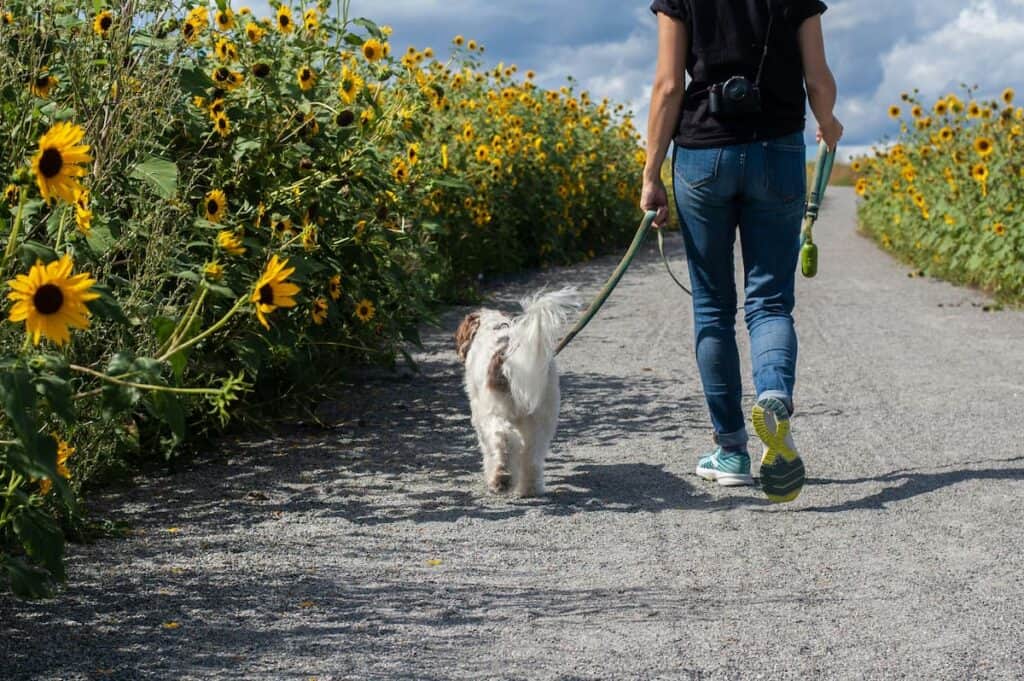
Every dog owner dreams of strolling through the park, their furry friend happily trotting alongside, lead slack, both you and your dog soaking up the fresh air without any stress. Yet for many of us, learning how to train dog to walk on leash without pulling can seem like an impossible challenge. At GoWalkies, we know that teaching your dog to walk calmly is not just about making walks more enjoyable, it is also about safety, confidence, and strengthening the wonderful bond you share with your pooch. In this guide, we will break down expert-approved, compassionate, and effective techniques designed to help UK dog owners master the art of loose leash walking, all while keeping things personal, practical, and optimistic.
Why Do Dogs Pull On the Lead?
Before diving into how to train dog to walk on leash, it helps to understand why dogs pull in the first place. For most pups, heading out for a walk is the highlight of their day. Excitement bubbles over, and they may surge forward to investigate every intriguing scent or sound, especially in a stimulating British park. Some dogs have more energy than others, while others are simply eager to greet new dogs and people.
Contrary to popular belief, your dog is not trying to be stubborn or dominant by pulling. Often, it just takes patience and the right training techniques to help your dog understand that good things come to those who walk calmly. The goal is to show them that walking nicely by your side opens up a world of rewards, fuss, and praise.
Get Started: Tools for Leash Training Success
Set yourself and your pup up for success by using the right equipment for leash training. A comfortable, flat collar or harness is ideal. Many UK owners find that a front-clip harness gives better control and helps redirect forward momentum, making it a smart choice for dogs that tend to pull or dogs still learning lead manners.
Bring along high-value treats, like bits of cooked chicken or cheese, to reward your dog’s good choices. A standard, non-retractable lead of about 1.2 to 2 metres gives just enough freedom while letting you maintain control. Remember, the equipment should be a tool to help communication, not a way to force compliance.
The Methodical Approach: Training Steps for Loose Lead Walking
If you are ready to tackle loose lead walking, follow this step-by-step guide inspired by expert advice and positive training principles.
Step 1: Start in a Calm, Distraction-Free Environment
For your dog’s earliest lessons, choose a quiet space, such as your garden or a peaceful local area. Give your dog the full length of the lead, stand still, and wait for your dog to check in with you. As soon as your pup glances your way or returns to your side, shower them with praise and a tasty treat. This builds the important connection between staying close and receiving rewards.
Step 2: Teach Attention and Focus
Hold a treat at your thigh and encourage your dog to walk beside you for just a step or two. If the lead stays loose, mark this behaviour with a happy “good” and a reward. If your dog pulls ahead, stop immediately. Do not yank on the lead or step backward; simply stand your ground like a friendly oak tree. When your dog returns their attention to you, reward and resume walking.
Step 3: Consistency Is Key – Never Let Pulling “Work”
Consistency is the golden rule. Every time your dog pulls, stop moving. The lead should only slacken when your pup realises that pulling makes you pause, but a loose lead lets you both move forward. This technique requires patience, but dogs are clever, given time, they will figure out that walking by your side makes the walk continue, while pulling brings everything to a halt. As the PDSA loose lead training guidelines highlight, repetition and calm persistence yield great results.
Step 4: Introduce Distractions Gradually
Once your dog masters leash manners in quiet spots, gently up the ante. Place their favourite toy on the ground or practice near low-level distractions. If your dog pulls toward an object, stop walking. Reward your dog when they approach the distraction without pulling. These controlled tests help them learn that restraint pays off, even in tempting situations. You will thank yourself later during busy weekend walks at the local green!
Tips for Troubleshooting Common Leash Training Challenges
- Excess Energy: If your pup is bouncing off the walls, try providing extra playtime or a quick backyard fetch session before a training walk. A tired dog finds it easier to focus.
- Scent Obsessions: Some dogs are determined to sniff every blade of grass. Instead of battling against their instincts, include “sniff breaks” as a reward for nice walking. This keeps things fair and enjoyable for you both.
- Sudden Stops: Does your dog sometimes refuse to budge? You are not alone! Our guide on helping reluctant walkers can help you unravel what is going on and encourage confident walking.
- Sideways or erratic walking: If your dog walks sideways, they might be crabbing or showing other natural behaviours. Learn more in our crabbing guide for friendly tips on understanding and managing this quirk.
Make Yourself the Most Exciting Thing Around
Dogs pull less when you become the focus of their attention. Use cheerful encouragement, change direction unexpectedly, or play a game of “find it” with treats hidden in your palm. Keep your energy positive, a happy, relaxed human inspires a happy, relaxed dog. Over time, your dog will be more interested in you than in every passing pigeon or intrepid squirrel.
Reward calm walking generously, especially when distractions are present. Little moments of praise, a gentle chin scratch, or a surprise treat make your pup’s day and reinforce that walking by your side is the best seat in the house.
Step-by-Step: Teach Your Dog to Walk on a Leash Without Pulling
- Choose a quiet starting area.
- Let your dog have the full lead, then stand still and wait for eye contact or attention.
- Reward your dog for staying close or returning to your side.
- If your dog pulls, immediately stop moving and wait.
- Reward loose leads and restarts as soon as your dog returns.
- Gradually add distractions, rewarding calm behaviour.
- Practice little and often – five to ten minutes is plenty for early sessions.
- Celebrate every step forward. Progress might be slow, but every loose-lead step is a victory.
For more step-by-step advice, visit our in-depth leash training guide, packed with practical examples and encouragement.
Beyond Training: Embracing Every Walk
Loose lead walking is not just about discipline, it is about discovery, partnership, and mutual respect. Give your dog time to enjoy their favourite sniffs, and use these strolls as a chance to explore new areas together. In the UK, we are spoilt for choice with green spaces and scenic paths, providing the perfect canvas for your walking adventures. Remember, a calm and joyful walk sets the tone for your dog’s day, boosts their confidence, and builds trust between you and your best friend.
Stay upbeat, remember that every dog learns at their own pace, and trust that persistence pays off. If you are ever feeling stuck or frustrated, the RSPCA’s lead training advice offers supportive reminders and methods that put your dog’s welfare first.
Training your dog to walk on a leash without pulling may take time, but the rewards are truly priceless. When you use expert-recommended, positive techniques, every outing becomes something to look forward to. At GoWalkies, we believe that every dog and human partnership deserves stress-free, joyful walks where pulling becomes a thing of the past. With patience, love, and persistence, you will soon find that walking side by side is not just a dream but a delightful part of your everyday life. Keep those leads loose and spirits high, you are on the right track to walking in harmony with your furry companion!